Introduction to northern vietnam
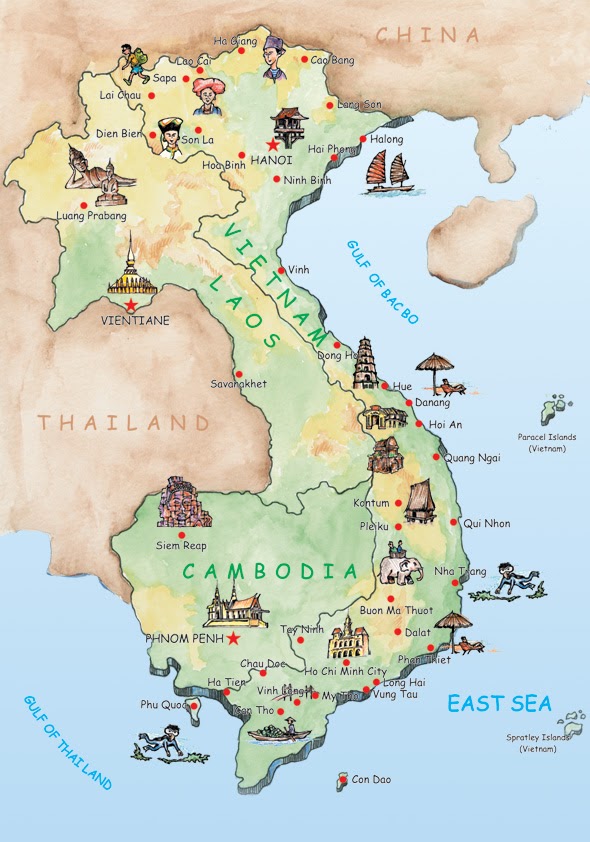
Northern Vietnam is a region rich in geographical, cultural, and historical diversity. Covering about 40% of the country, this area stretches from the mountains of Tây Bắc to the plains of the Northeast. It is a highly popular destination, known for its breathtaking landscapes, authentic culture, and unique historical sites. Here is a detailed overview of this fascinating region.
geography and climate
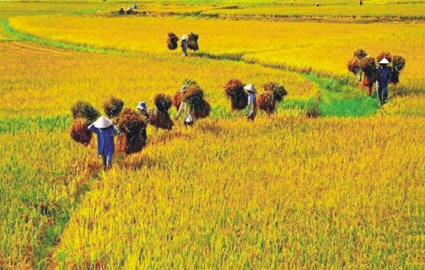
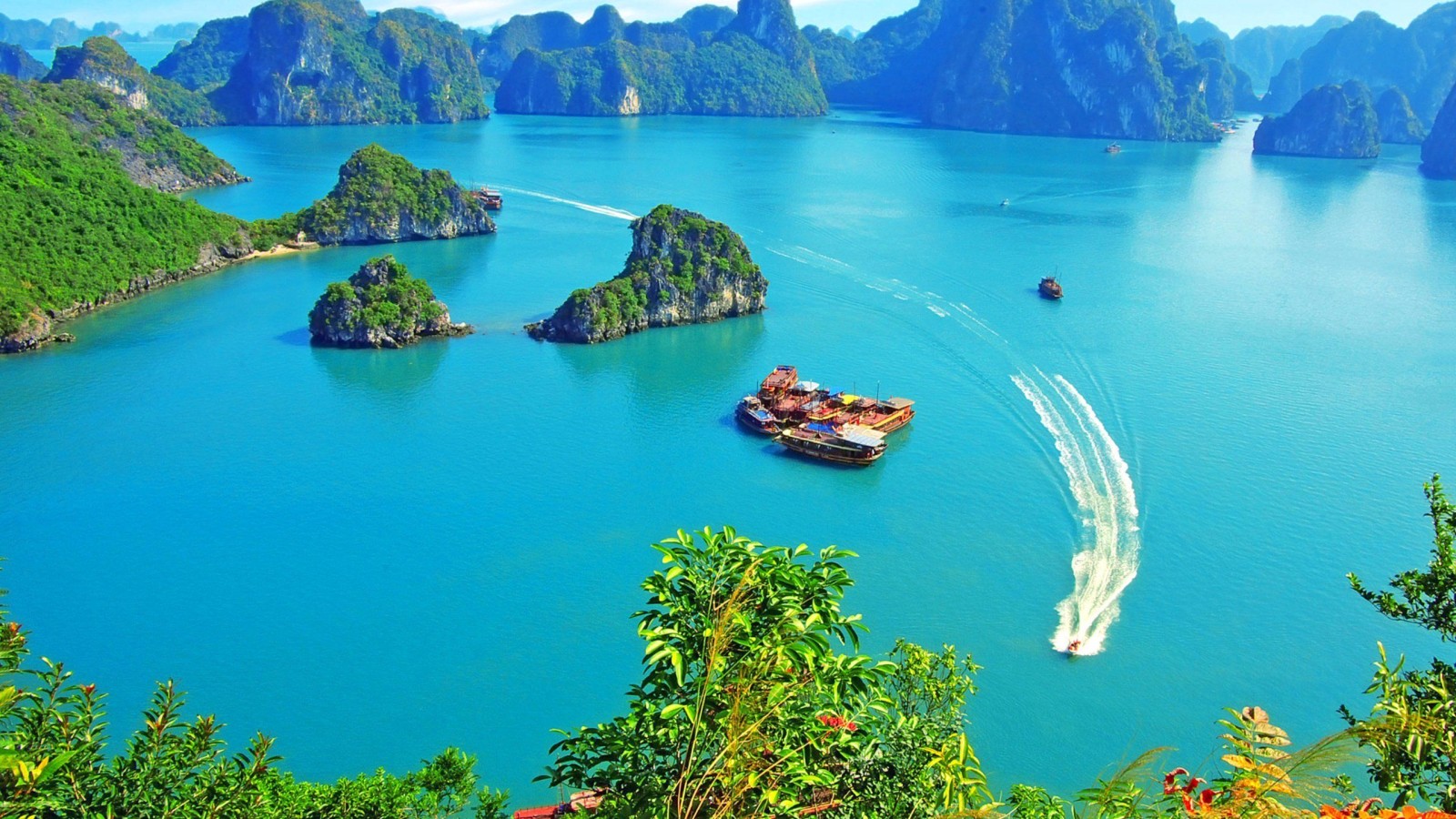
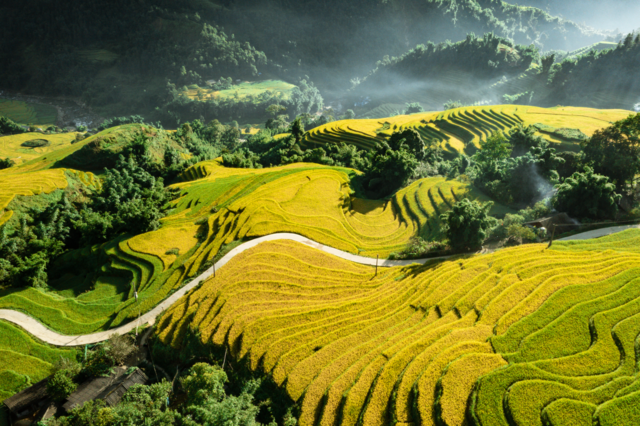
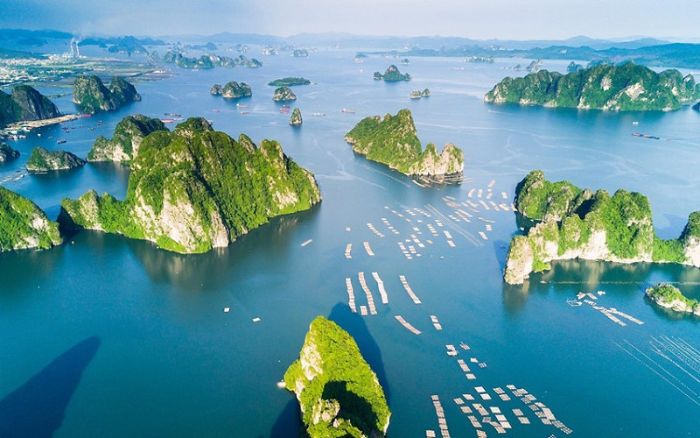
Northern Vietnam is dominated by mountains and high plateaus, such as those of Lai Châu, Sapa, and Ha Giang, offering striking panoramas of terraced rice fields and karst massifs. The climate is typically subtropical, with two main seasons:
-
Cool season (November to March): fresh temperatures and morning mist.
-
Hot season (May to October): humid weather with heavy rains and lush vegetation.
demographics and ethnic groups
The region is home to a wide range of ethnic minorities, including the H’mong, Dao, Tày, Nùng, Lô Lô, and Xa Phó. These communities preserve their unique customs and traditions, enriching Northern Vietnam with their craftsmanship, festivals, and traditional costumes.
historical and tourist sites
-
Sapa: Located at the top of the Hoàng Liên Sơn range, Sapa is a must for trekking enthusiasts and seekers of authenticity. Its terraced rice fields and ethnic villages such as Ta Van, Cat Cat, and Bản Cát offer unique experiences in a stunning natural setting.
-
Ha Giang: Known for its exceptional karst landscapes, Ha Giang is a paradise for lovers of wild nature. The famous Bai Dau, Dong Van Plateau, and Meo Vac attract visitors in search of off-the-beaten-path adventures.
-
Moc Chau: Famous for its terraced tea fields and exotic fruit plantations such as strawberries. Pha Luông Peak offers a panoramic 360° view, making it an unmissable site.
-
Lào Cai: Not only a gateway to Sapa but also the place to discover the Chapa Ethnic Culture Village and vibrant local markets such as Cốc Ly.
-
Mai Châu: A peaceful valley with rice fields and traditional villages like Ban Lac, perfect for cultural immersion and activities such as cycling.
-
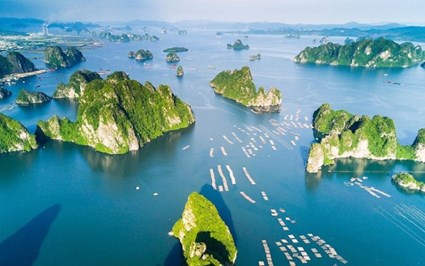
Ninh Binh: Known as the “Inland Halong Bay”, Ninh Binh features unique landscapes of limestone mountains, rice paddies, and rivers winding through caves such as Tam Coc and Trang An.
History and heritage
Northern Vietnam has played a strategic and historical role for centuries. It was once home to ancient dynasties such as the Trần and Lý, and often the theater of conflicts with neighboring powers like China and Laos. Ancient temples, pagodas, and historical sites such as Hoa Lư, the former capital of the Đại Cồ Việt kingdom, testify to this rich past.
Cultural characteristics
Beyond its ethnic diversity, the music, dance, and festivals of Northern Vietnam reflect the soul of its local minorities. The Lễ hội Lồng Tông (Field Festival), celebrated every spring, and the H’mong New Year Festival are unique opportunities to discover vibrant local culture.
Conclusion
Northern Vietnam is a true natural and cultural treasure. Whether exploring majestic landscapes or immersing yourself in ethnic traditions, this region will amaze all travelers seeking authenticity and untamed beauty.