Introduction to central vietnam
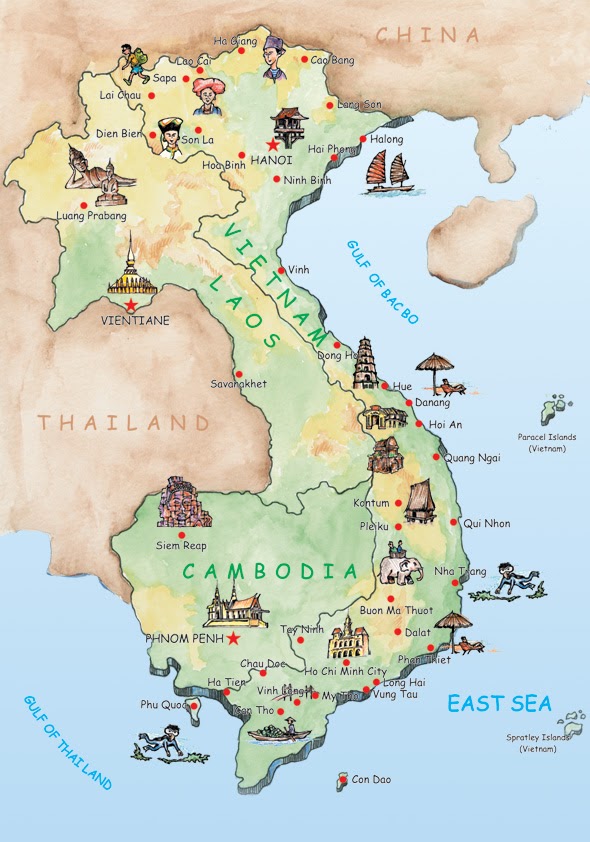
Central Vietnam is a region of great diversity, offering visitors a unique cultural, historical, and natural experience. Stretching along the coastline bordering the South China Sea, the region is renowned for its mountainous landscapes, idyllic beaches, UNESCO World Heritage Sites, and profound historical heritage. Here is a detailed overview of this captivating area.
Geography and climate
Central Vietnam covers about 150,000 km², with a population of around 17 million (2024). It includes provinces such as Thừa Thiên-Huế, Quảng Bình, Quảng Trị, Đà Nẵng, Quảng Nam, and Bình Định. The climate is divided into two main seasons:
-
Hot season (March to August): humid and hot, with temperatures often exceeding 35°C.
-
Cool season (September to February): milder, ideal for exploring the region.
History and heritage
Central Vietnam is rich in history, with many historical sites dating back to the dynasties of Đại Cồ Việt, Trần, and Lê. The region also bears the marks of the Vietnam War, with landmarks such as the Imperial City of Hue and the Vinh Moc Tunnels in Quảng Trị Province.
Ethnic groups and culture
This region is home to several ethnic groups, including the Kinh, Tày, Thái, Chăm, and H’Mông. These communities preserve their traditions through festivals, local crafts such as pottery and weaving, and vibrant folk music.
Tourist sites and attractions
-
Hue: The former imperial capital of Vietnam, recognized as a UNESCO World Heritage Site. The Imperial City complex, the royal tombs of emperors such as Gia Long, Minh Mang, and Khải Định, along with the Perfume River, make it a must-see destination.
-
Da Nang: A dynamic city combining beaches (such as My Khe), mountains (Marble Mountains), and modern attractions. Highlights include the Rainbow Bridge and Son Tra Beach.
-
Hoi An: Famous for its traditional houses, colorful lanterns, and romantic atmosphere. The Old Town, a UNESCO World Heritage Site, reflects a mix of Chinese, Japanese, and Vietnamese influences. The Japanese Bridge (Chùa Cầu) and Hoi An Central Market are highlights.
-
Quang Binh: Known for its impressive caves, including Phong Nha-Kẻ Bàng National Park, a UNESCO-listed natural site. Nhat Le Beach and the karst landscapes of Tuan Son offer unforgettable scenery.
-
Binh Dinh: A region with a strong military and historical tradition, home to temples such as Tháp Bánh Ít and beaches like Cửa Lò, ideal for relaxation.
-
Nha Trang: Although slightly further south, Nha Trang boasts beautiful beaches and vibrant nightlife, complemented by attractions such as Vinpearl Island and the Nha Phu Archipelago.
Culture and gastronomy
Central Vietnamese cuisine is renowned for its intense and diverse flavors. Dishes such as cao lầu from Hoi An, bún bò Huế (spicy beef noodle soup), and mỳ Quảng are specialties not to be missed. Local markets, such as Dong Ba Market in Hue, offer a complete immersion into the region’s culinary culture.
Conclusion
Central Vietnam is an ideal destination for travelers seeking a blend of culture, history, nature, and gastronomy. With its stunning landscapes, unique heritage sites, and warm hospitality, this region promises an authentic and enriching travel experience.